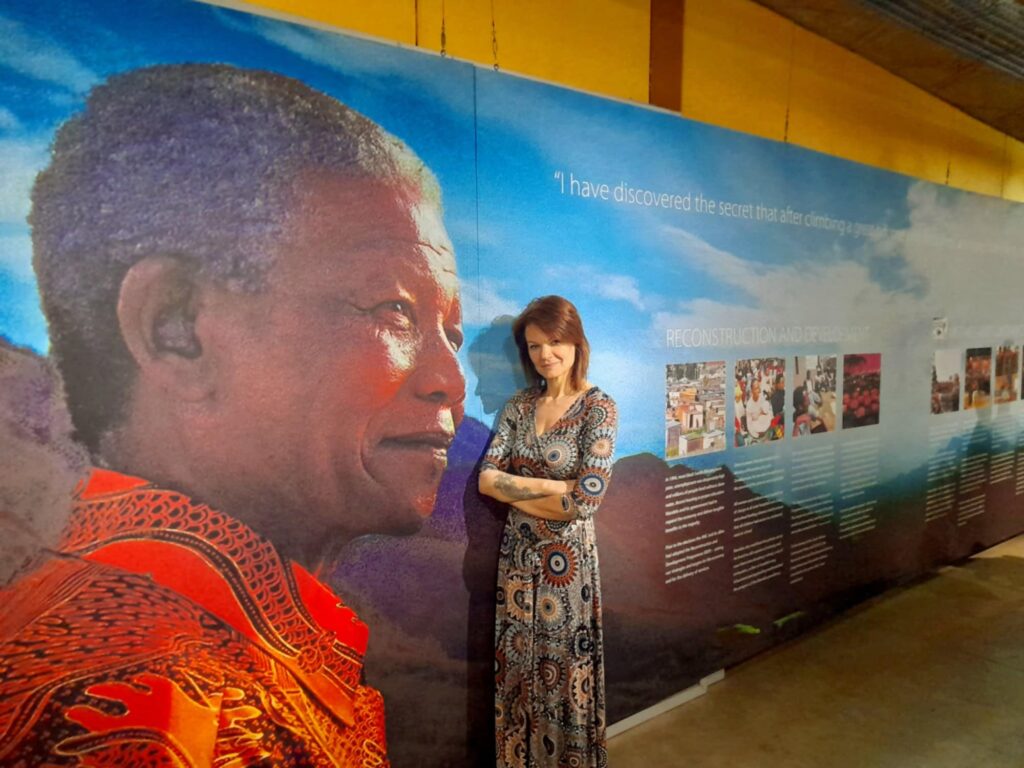
Artivism for Safe Spaces
Empowering New Educational Models to Address GBV in South African Higher Education
This engagement, as Visiting Research Associate at the Tshwane University of Technology – Faculty of Arts & Design in Pretoria, explores the transformative potential of Artivism in addressing gender-based violence (GBV) in South Africa, emphasizing its efficacy in generating innovative insights and critically examining societal issues. Introducing and cultivating Artivism within South African university settings holds promise for challenging racism, misogyny, and patriarchy, nurturing critical inquiry and fostering inclusive, anti-racist, feminist educational environments. This pedagogical approach may empower students to interrogate prevailing power dynamics and envision more equitable alternatives.
Uniting research with diverse art forms, such as music, fashion, visual arts, murals, poetry, and drama within South African universities, can stimulate dialogue among youth, demonstrating the efficacy of these collaborative interventions in fostering active social engagement. These interdisciplinary and transdisciplinary arts-based approaches could provide safe spaces for discussing sensitive topics, nurturing a more inclusive and supportive educational climate. Ensuring the sustainability and scalability of such interventions is imperative for their enduring impact. Community-based and socially engaged artistic research on GBV can underscore the significance of public involvement and policy advocacy in addressing these pressing issues.
Numerous Artivism initiatives already underway in South Africa offer therapeutic benefits for GBV survivors while raising public consciousness, crafting a compelling visual narrative that disrupts societal silence on GBV. Art forms and visual culture have emerged as indispensable tools for addressing GBV and broader human rights concerns in post-apartheid South Africa, providing a platform for marginalized voices and cultivating resistance against persistent social injustices.
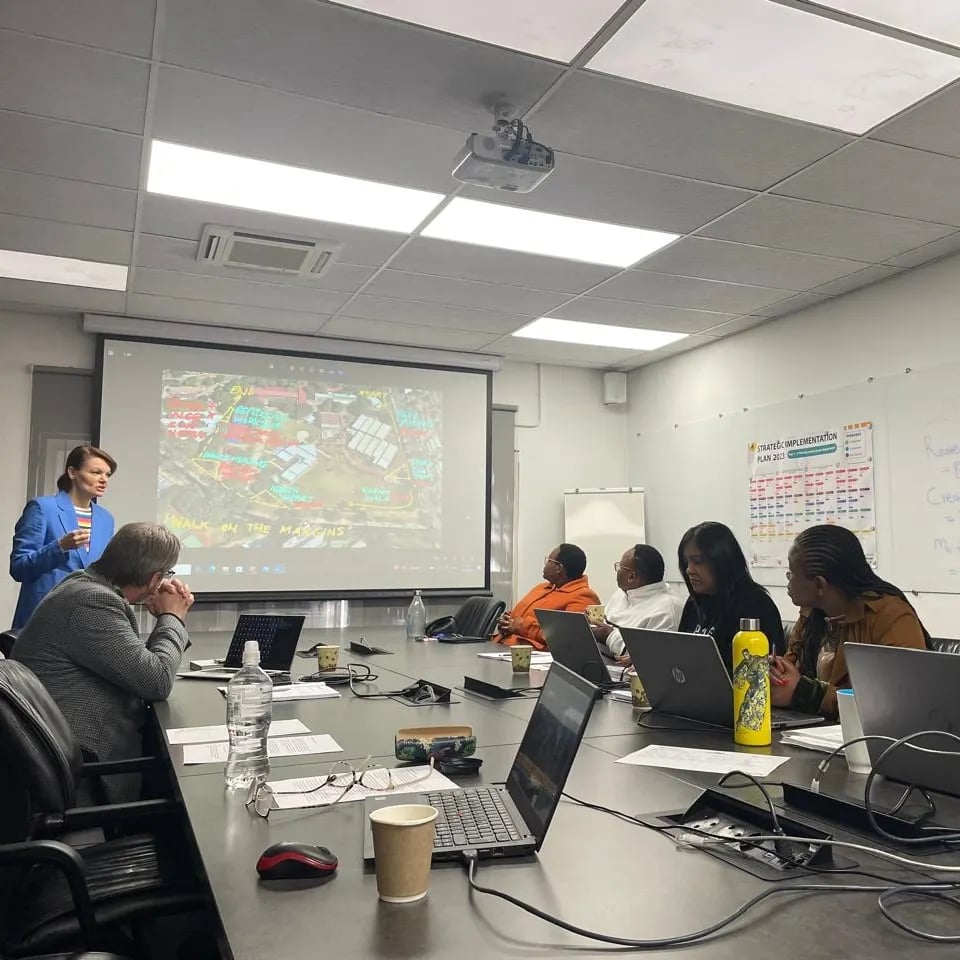
As an artistic and scientific researcher involved in crafting a short learning program on Artivism and GBV at Tshwane University of Technology, Faculty of Arts and Design, I synthesize these arguments to advocate for the strategic deployment of Artivism in educational and community contexts. Through various activities, I demonstrate the process of incorporating the module into the curriculum and how we collaboratively piloted the research and artistic intervention within a school setting, during classes, festival, and the assimilation of the results into the community and industry. This approach is especially important for young art students, providing them with the skills to participate in community-based, socially engaged arts. It nurtures a generation of artists dedicated to social justice and capable of addressing complex societal challenges through their creative work.

From Silence to Expression: Walk on the Margins
Collaborative Artistic Research

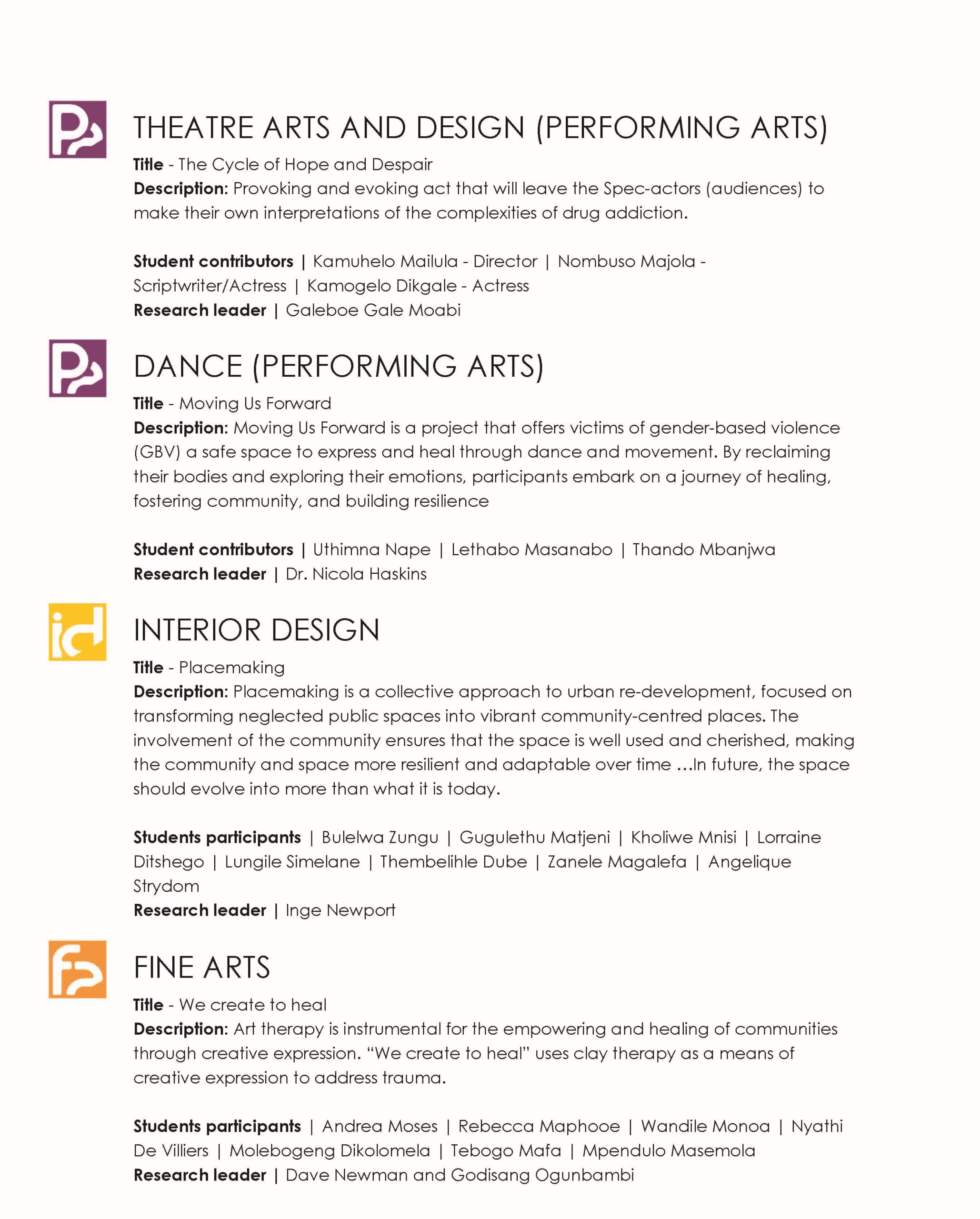
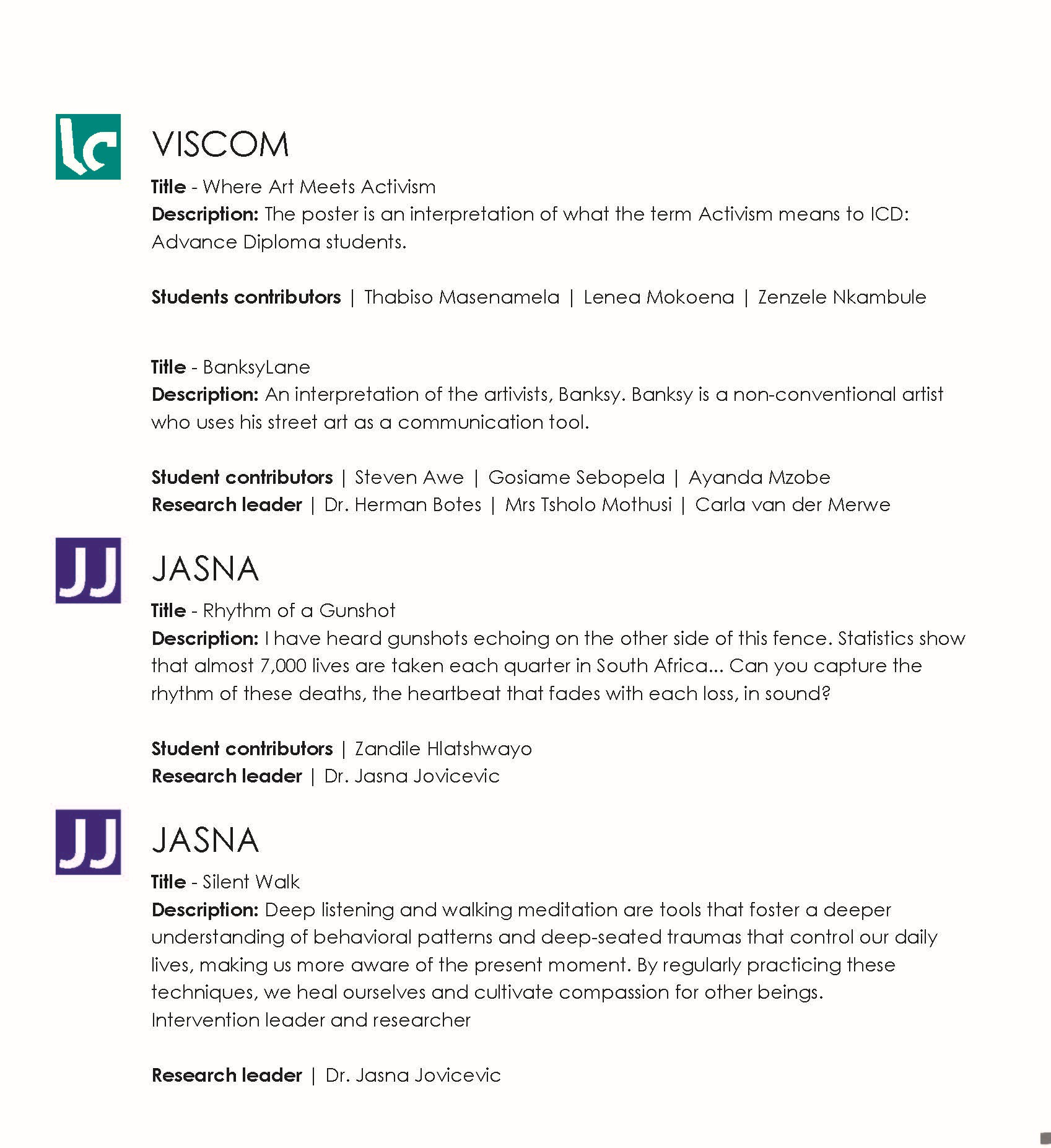
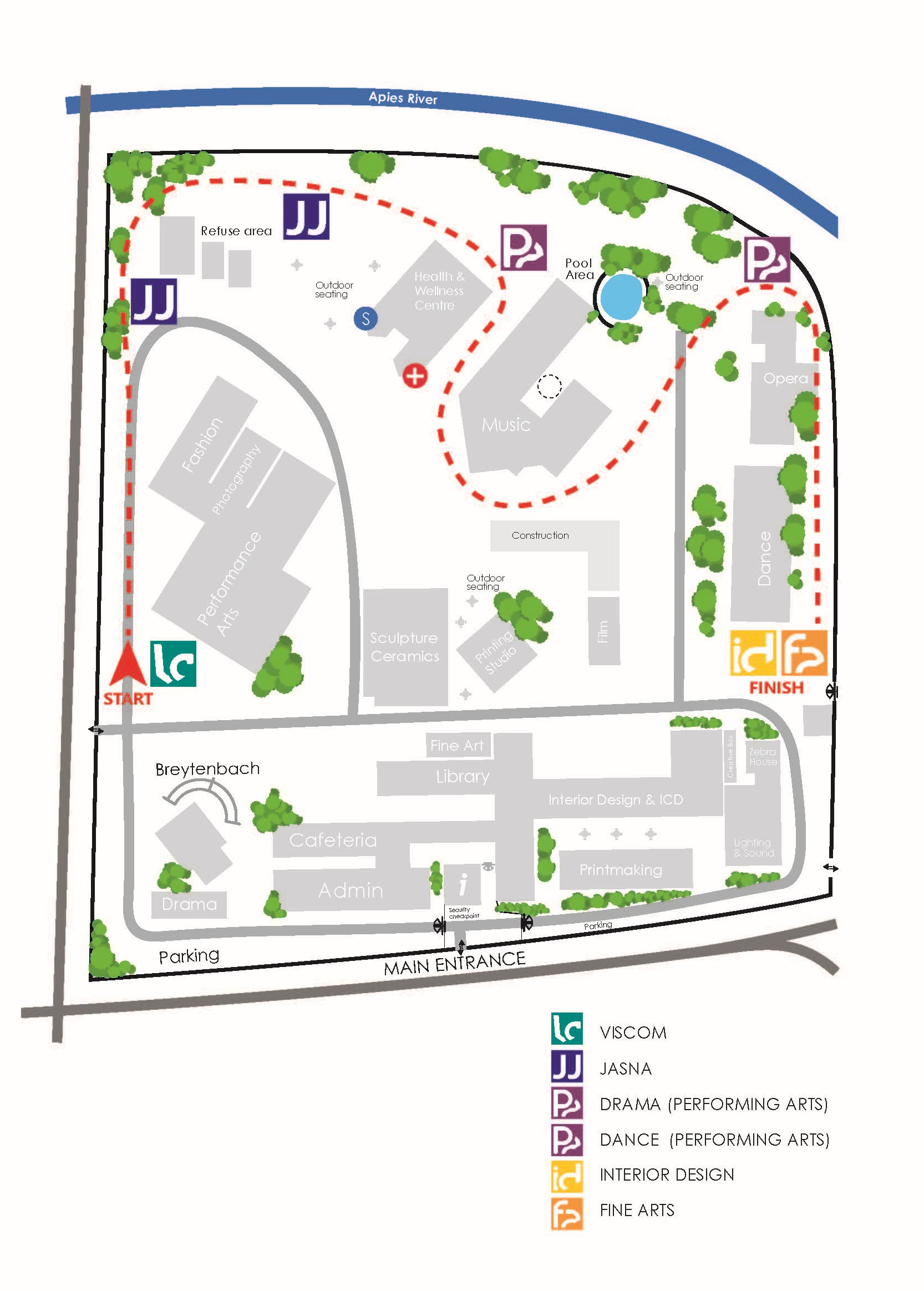
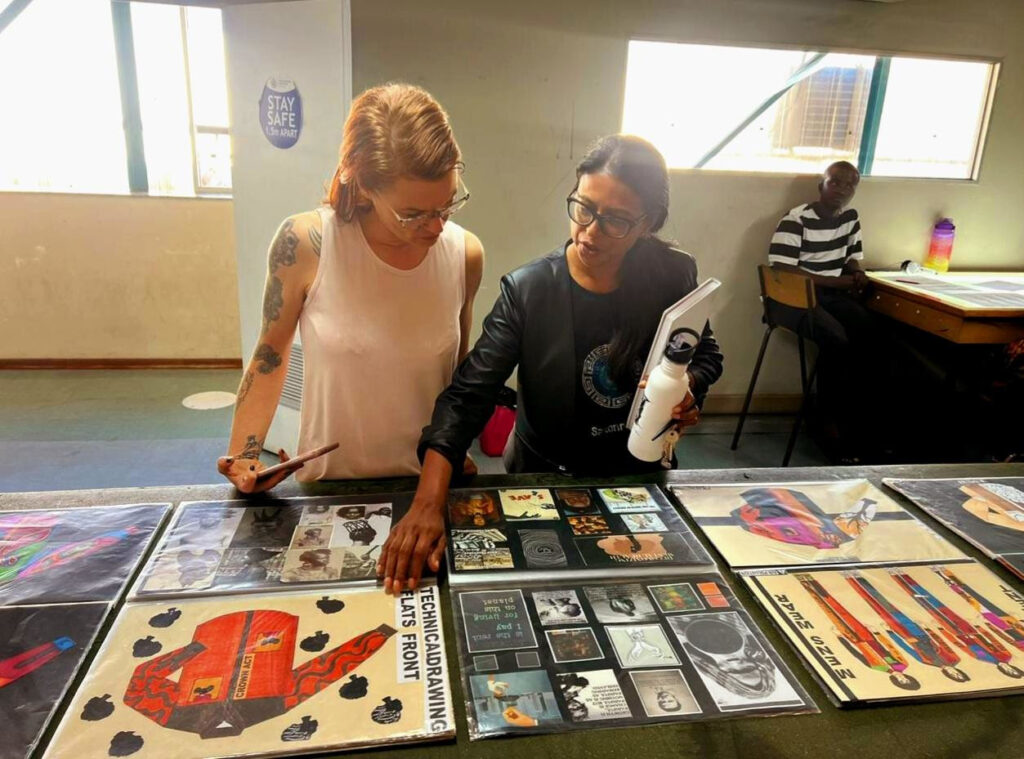
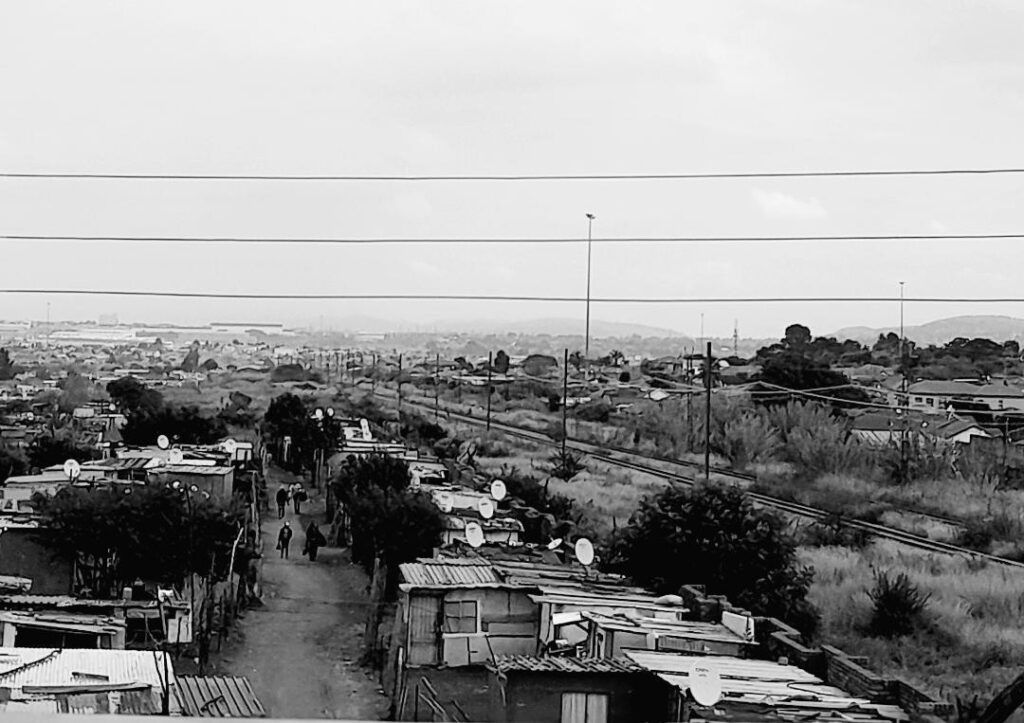
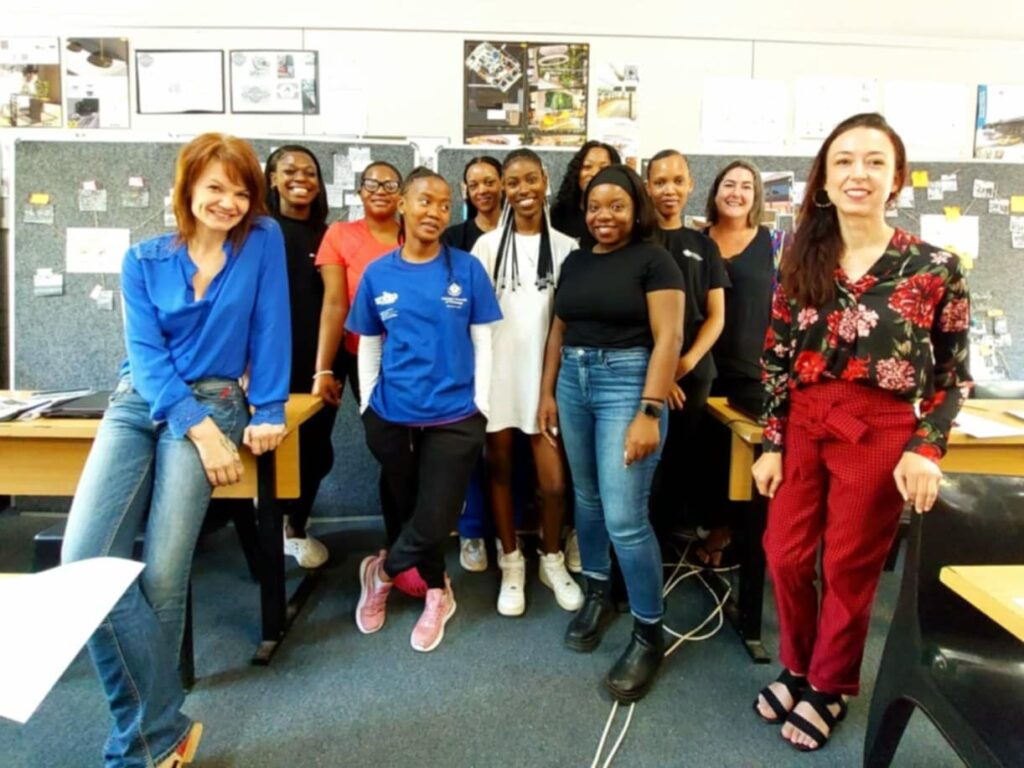
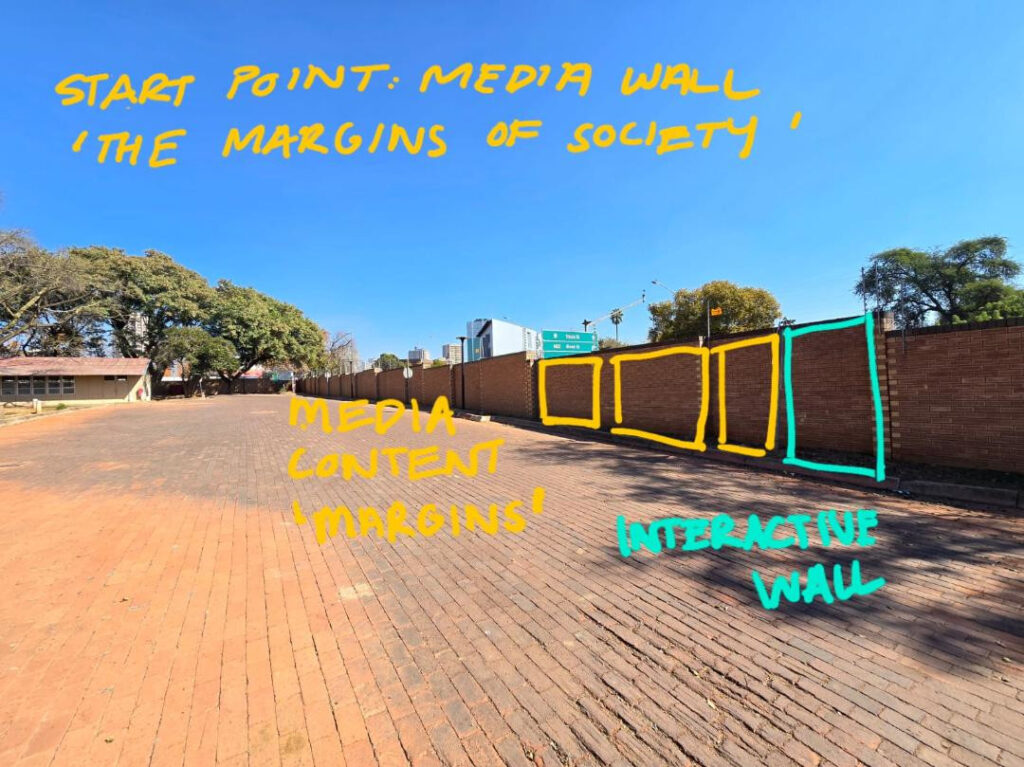
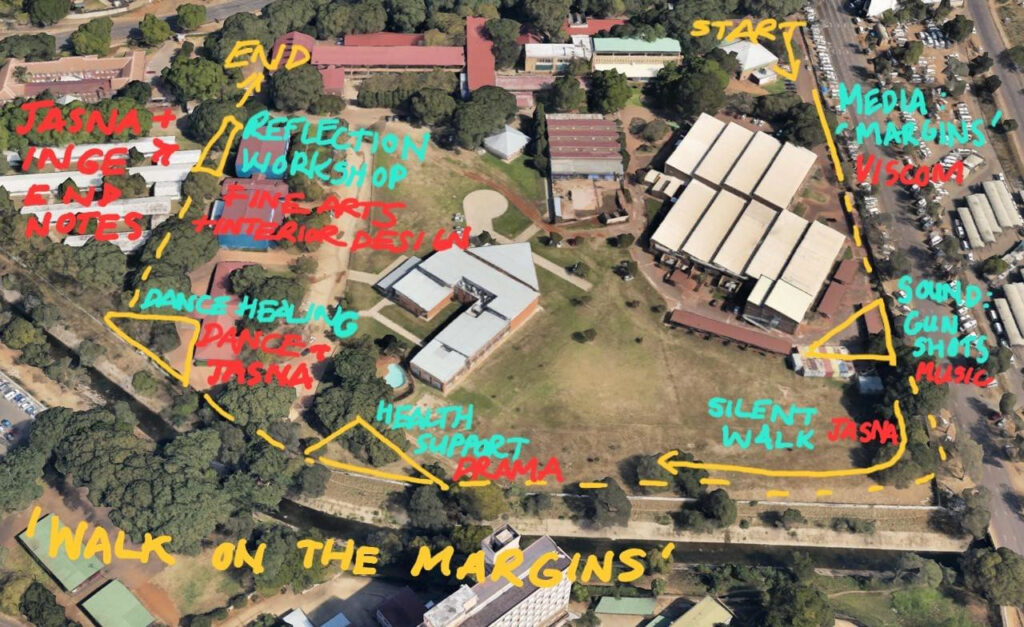
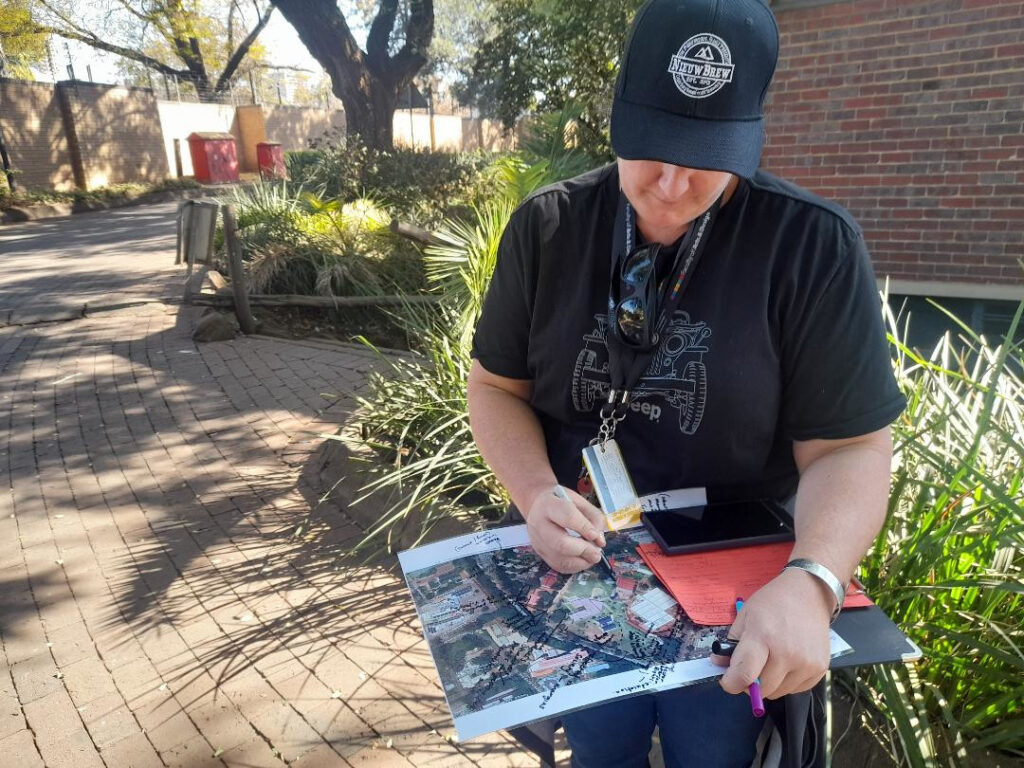
“Walk on the Margins” is a site-specific transdisciplinary artistic intervention, led by artistic researchers Dr. Jasna Jovićević with Inge Newport, in collaboration with the TUT art faculty and students. The project aimed to transform unsafe and marginalized spaces—both physical and conceptual, on and around the Tshwane University of Technology (TUT) Arts Campus—into zones of artistic expression and community engagement.
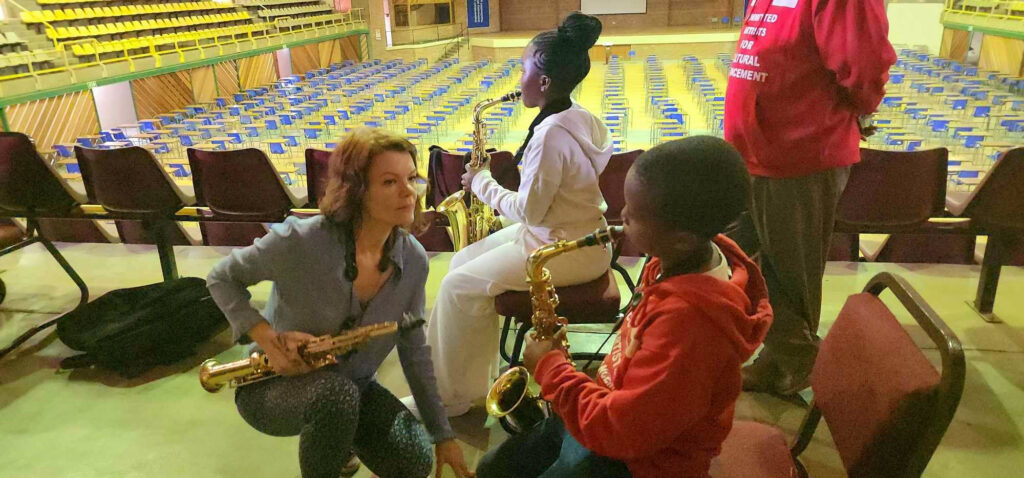
The intervention utilized a wide range of art forms, including music, dance, drama, media, banners, sculptures, maps, and community-building practices, to reclaim and revitalize these spaces. It directly addressed pressing social issues such as gender-based violence (GBV), drug abuse, social marginalization, campus safety, and self-care, using artistic expression as a vehicle for social change.
This initiative also served as a pilot for the integration of a new Artivism module into the TUT curriculum that Dr Jasna Jovicevic created, demonstrating the transformative power of socially engaged arts. The intervention was designed to encourage creative expression and dialogue, providing participants with a platform to engage critically with these societal issues. By activating these spaces through art, “Walk on the Margins” contributed to the creation of a safer, more inclusive campus environment.
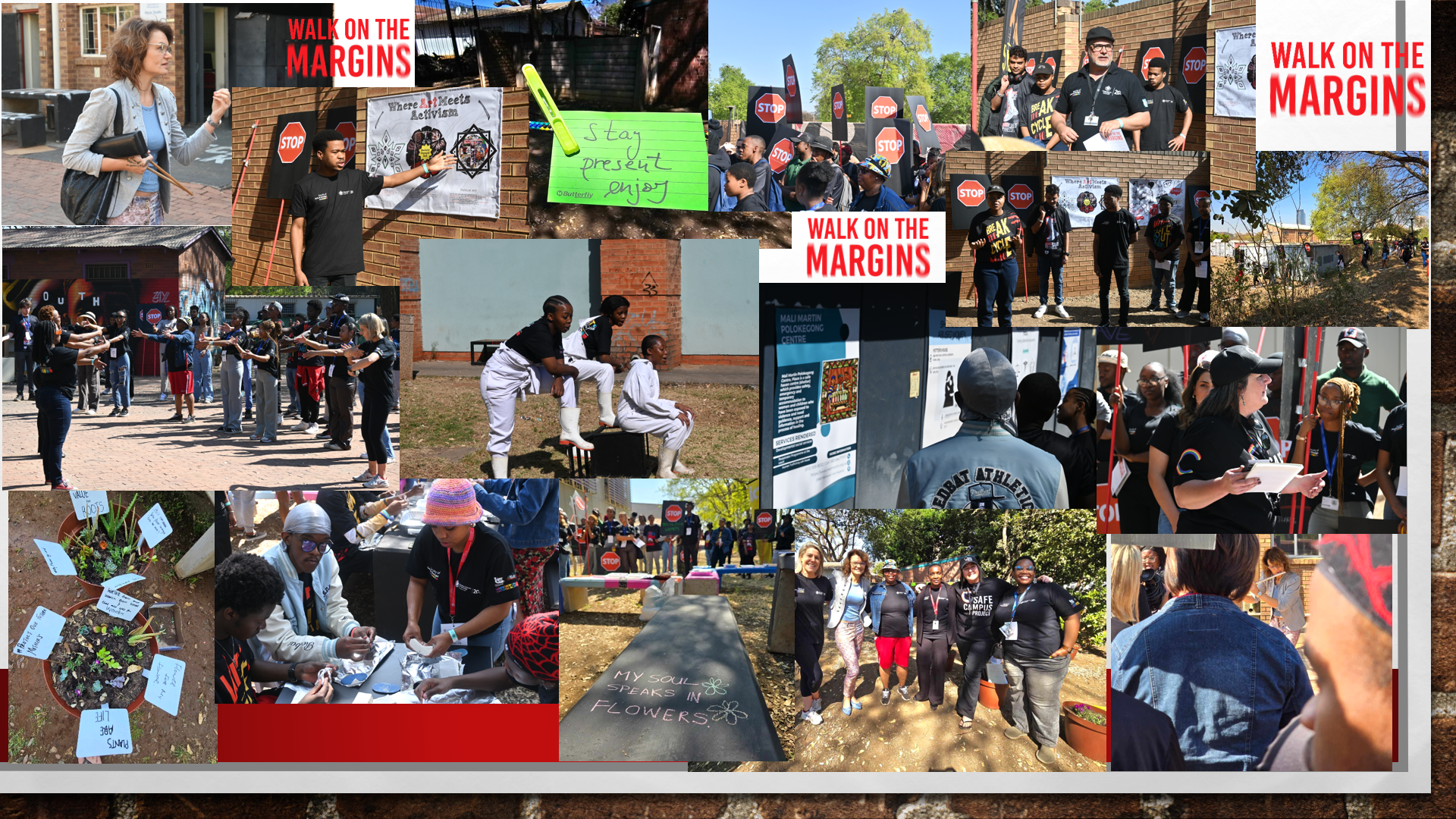
On the first day of the Artivism Festival at TUT Arts Campus, on 2nd of September 2024., the project was officially launched. Conceptual artists, together with faculty and students, transformed both physical and metaphorical spaces into areas of artistic intervention, using various mediums such as music performances, dance, media representations, drama, and visual arts. These interventions not only showcased the potential of artistic research to address critical social issues but also engaged the broader university community in a meaningful dialogue about GBV, marginalization, and campus safety.
The intervention also served as a platform for fostering community engagement, promoting awareness, and offering a model for how artistic research and social engagement can be effectively integrated into higher education. The project illustrated the potential for art to challenge societal norms and address inequalities, advocating for a more just and equitable society. By reclaiming these spaces, the project highlighted art’s capacity to inspire change, not only within the university but also in the wider community.
“Walk on the Margins” exemplified the role of artivism in higher education, offering both a demonstration of research methodologies and a participatory framework for engaging with urgent social issues through creative practice.